Exploring the Cost of New Window Installation vs. Repair in the Historic Districts of Charleston, SC invites readers into a world of intricate details and considerations. This topic delves into the various factors influencing costs, regulations, preservation challenges, and cost comparisons, providing a comprehensive view of the subject matter.
Factors Influencing Window Installation Costs in Historic Districts of Charleston, SC
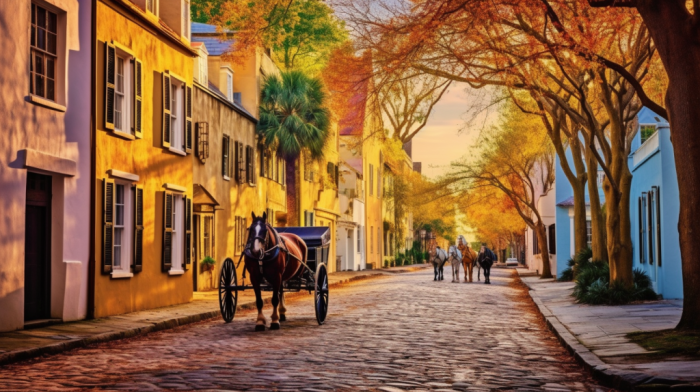
When it comes to window installation costs in historic districts of Charleston, SC, several factors come into play. Let's delve into the key elements that influence these costs.
Materials Commonly Used in Historic District Window Installations
In historic districts of Charleston, SC, window installations often require materials that match the traditional aesthetic of the buildings. Common materials include wood, which is popular for its authenticity and ability to be customized to fit unique architectural styles. Additionally, fiberglass and aluminum are also used for their durability and low maintenance requirements.
Impact of Building Age and Architectural Style on Installation Costs
The age and architectural style of buildings in historic districts play a significant role in determining window installation costs. Older buildings may require more extensive preparation work to accommodate new windows, increasing labor costs. Similarly, buildings with intricate architectural details or custom designs may require specialized installation techniques, further adding to the overall cost.
Labor Costs for New Window Installations vs. Repairs in Historic Districts
When comparing labor costs for new window installations versus repairs in historic districts of Charleston, SC, it is important to consider the complexity of the work involved. Installing new windows typically requires more labor and expertise, especially when dealing with historical structures that need careful preservation.
On the other hand, window repairs may involve less labor but still require skilled professionals to ensure quality workmanship and preservation of the building's historical integrity.
Regulations and Permits for Window Installation in Charleston’s Historic Districts
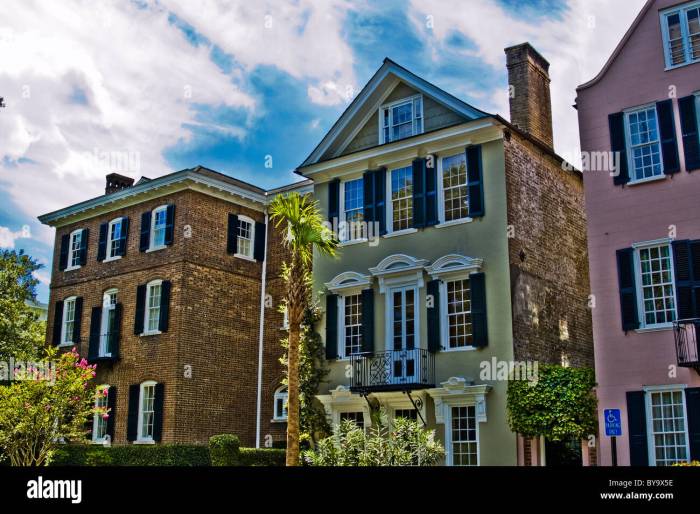
In Charleston's historic districts, there are specific regulations and permits that govern window repairs and installations to ensure the preservation of the area's architectural integrity.
Permits Required for Window Work
- Before undertaking any window work in a historic district, property owners typically need to obtain a Certificate of Appropriateness (COA) from the Board of Architectural Review (BAR).
- The BAR reviews proposed changes to windows, including materials, design, and placement, to ensure they align with historic preservation guidelines.
- Additional permits may be required depending on the scope of the window project, such as a building permit for structural changes or a zoning permit for exterior alterations.
Impact of Compliance with Historic Preservation Guidelines
- Compliance with historic preservation guidelines can significantly affect the overall cost of window projects in Charleston's historic districts.
- Using historically accurate materials and techniques, as required by the BAR, may be more expensive than modern alternatives.
- Property owners may also incur additional costs for professional design services to ensure their window project meets the BAR's standards.
- Failure to comply with regulations and permits can result in fines, delays, or even the reversal of completed work, emphasizing the importance of adherence to historic preservation guidelines.
Preservation Challenges and Solutions for Window Repair in Historic Charleston
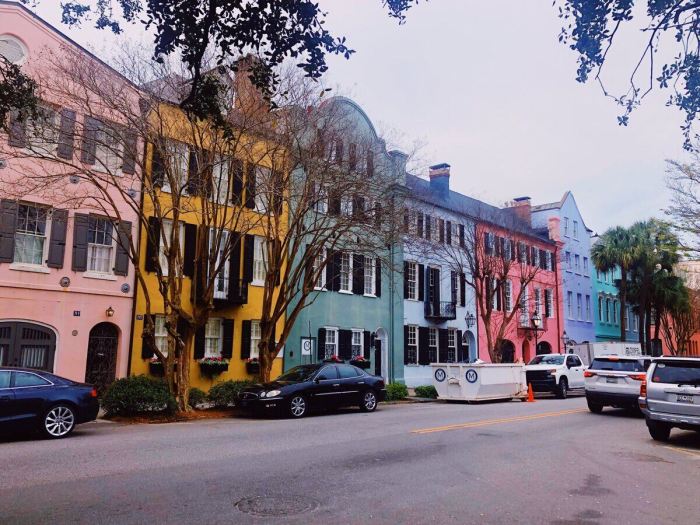
Maintaining the historical integrity of windows in Charleston's historic districts poses various challenges that require specialized solutions to ensure proper preservation.
Challenges of Preserving Historic Windows in Charleston
- Original materials deterioration: Many historic windows in Charleston are made of wood, which is susceptible to rot, decay, and insect damage over time.
- Aesthetic requirements: Balancing the need for repairs with maintaining the original appearance and architectural style of the windows can be challenging.
- Regulatory constraints: Strict guidelines and regulations in historic districts require specific materials and techniques for window repair, adding complexity to the preservation process.
Common Techniques Used in Window Repair
- Wood epoxy consolidation: This technique involves consolidating deteriorated wood with epoxy resin to strengthen the structure and prevent further decay.
- Glazing and painting: Properly reglazing and repainting windows can help protect them from the elements and extend their lifespan.
- Weatherstripping installation: Adding weatherstripping to historic windows can improve energy efficiency while preserving the original look.
Role of Specialized Craftsmen in Window Repair
- Historic preservation experts: Craftsmen with specialized knowledge of historic window construction and repair techniques play a crucial role in ensuring repairs are done accurately and authentically.
- Custom fabrication: In cases where original window components are beyond repair, craftsmen can create custom replacement parts to match the historical design.
- Attention to detail: Skilled craftsmen pay close attention to historical accuracy, ensuring that repaired windows blend seamlessly with the overall architectural style of the building.
Cost Comparison
When considering window projects in Charleston's Historic Districts, it's essential to weigh the costs of installing new windows versus repairing existing ones. This comparison can help property owners make informed decisions based on their budget and preservation goals.
Average Costs
To give you an idea of the financial implications, here is a table comparing the average costs of installing new windows versus repairing existing ones in Charleston's Historic Districts:
| Task | Average Cost |
|---|---|
| New Window Installation | $5,000
|
| Window Repair | $1,000
|
Long-Term Cost Implications
Choosing between installation and repair options can have significant long-term cost implications. While installing new windows may have a higher upfront cost, they could potentially lead to energy savings and lower maintenance costs over time.
On the other hand, repairing existing windows may be a more cost-effective solution in the short term but could require more frequent maintenance and repairs in the future.
Return on Investment
Analyzing the return on investment for window projects in historic districts is crucial. Investing in new windows can potentially increase the property value and curb appeal, offering a higher return on investment in the long run. However, if the goal is to preserve the historic integrity of the property, opting for window repair may be the more sustainable and cost-effective choice in the context of historic preservation.
Closing Summary
In conclusion, navigating the intricacies of window projects in Charleston's historic districts requires a delicate balance between preservation and practicality. By understanding the key factors and costs involved, individuals can make informed decisions that align with their goals and budget constraints.
Frequently Asked Questions
What are some common materials used in historic district window installations?
Common materials include wood, vinyl, aluminum, and fiberglass.
What permits are typically required for window work in historic districts?
Permits such as a Certificate of Appropriateness may be needed for window repairs or installations in historic districts.
How do compliance with historic preservation guidelines impact window project costs?
Compliance with guidelines may lead to higher costs due to the need for specialized materials or techniques.
What is the average return on investment for window projects in historic districts?
The ROI can vary based on factors like the type of windows installed and the overall condition of the property.